

How do you choose the right mist collector?
Selecting the right mist collector is complex. Choosing the wrong system can lead to underperformance, premature failure, and unexpected costs. Learn how to find the right system for your shop.
So you’ve just purchased a new CNC machine for your shop. The CNC manufacturer may recommend a mist collector, but it doesn’t factor your unique variables like mist composition, droplet size, airflow rate, machine integration, and filter efficiency all impact performance. A one-size-fits-all approach rarely delivers optimal results. Working with a third-party integrator will help you avoid costly mistakes We provide a long-term view of system performance, offering insight into 5-10 years of total cost of ownership, including maintenance requirements, filter replacement intervals, and energy consumption. This blog will help you understand the key factors to consider when selecting a mist collection solution.
What’s the First Thing to Think About When Choosing a Mist Collector?
Start with the mist itself.
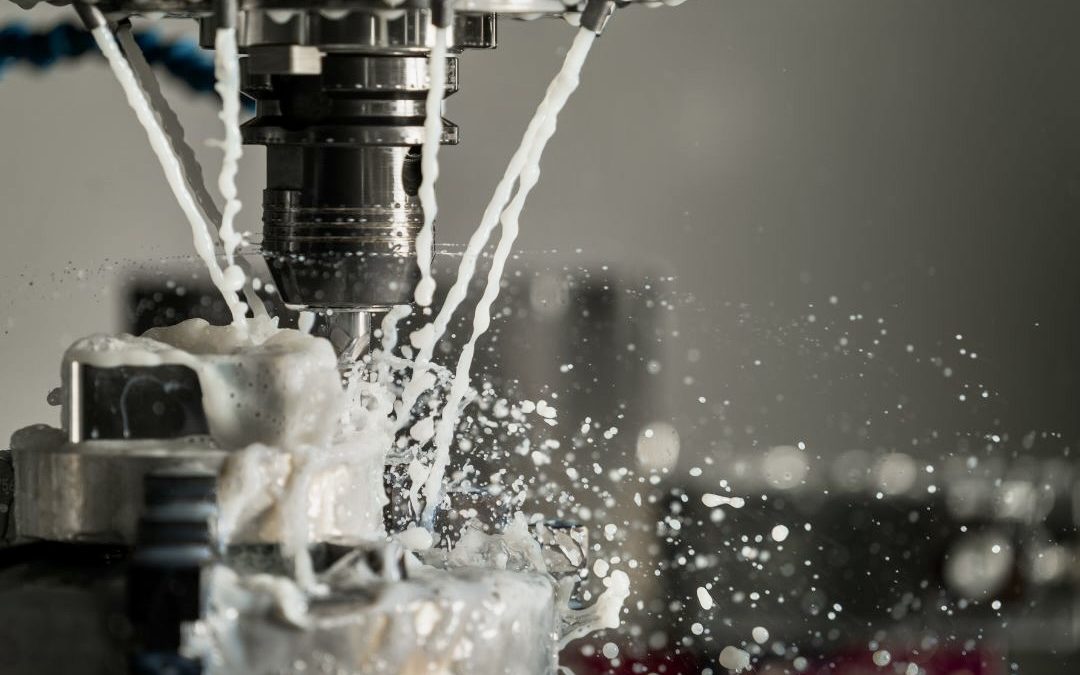
What exactly are you trying to remove from the air…oil mist, water-based coolant mist, smoke, or a combination? Each contaminant behaves differently and requires a specific filtration strategy. Oil mist is typically sticky and dense, often requiring multi-stage coalescing filters to prevent clogging and system overload. Coolant mist may seem easier to handle but often includes fine droplets or particulates that call for high-efficiency filtration media or pre-filters. Just as important is the source and volume of the mist. A single CNC machine running intermittently generates far less mist than a high-speed, multi-spindle system operating continuously. Droplet size, fluid type, system pressure, and temperature all play a role in determining the most effective mist collection solution. These factors affect airflow requirements, filtration capacity, system size, filter type, and ongoing maintenance intervals. The upfront price tag doesn’t tell the whole story. Investing in the right mist collector from the start protects your equipment, improves indoor air quality, and saves money over time, by avoiding downtime, inefficiencies, and excessive maintenance.
What Happens If You Choose the Wrong Mist Collector?
Unfortunately, selecting the wrong system isn’t just a minor inconvenience, it can lead to serious performance and compliance issues:
- Filter Overload: Filters may clog rapidly, requiring frequent, costly replacements.
- Poor Air Quality: Ineffective filtration can result in mist buildup on equipment, surfaces, or even in the breathable air, posing health and safety risks.
- Excessive Downtime: Inadequate systems often need more maintenance, pulling your team away from production and impacting throughput.
- Regulatory Noncompliance: If the system doesn’t meet OSHA, NFPA, or environmental standards, you risk fines, citations, or forced shutdowns.
- Wasted Capital: Buying a system that’s too small (or too large) for your process leads to poor ROI and potentially additional costs to retrofit or replace it.
It’s not enough for a mist collector to simply run, it must perform correctly, efficiently, and safely in your specific environment.
So, What’s the Best Advice for Choosing One?
#1 Tip: Match the Mist Collector to Your Exact Process
Avoid choosing based on generic product specs or price alone. A mist collector must be sized and configured based on the specific conditions of your facility and process. That means clearly understanding:
- The type of fluid you’re using (oil, coolant, synthetic emulsions)
- The amount of mist generated during peak and typical operating hours
- Which machines are producing mist and how they’re configured
- Available space for installation (floor-mounted, overhead, machine-mounted, ducted systems, etc.)
- Maintenance capabilities, how often filters can realistically be checked, changed, or cleaned
Engaging with a mist filtration supplier who specializes in mist collection can save you significant time and expense. A quick application review or site visit can uncover crucial details, like airflow velocity, mist saturation levels, or particle loading, that are often missed during the quoting process.
Final Thoughts
Selecting the right mist collector is rarely as simple as picking from a catalog. The best system is one that fits your specific process, not just in size or brand, but in performance and integration. When properly selected, a mist collector will enhance workplace safety, reduce equipment wear, minimize downtime, and support compliance.
At Air Filtration Systems, we go beyond equipment selection. We provide a long-term view of system performance, offering insight into 5 to 10 years of total cost of ownership, including maintenance requirements, filter replacement intervals, and energy consumption. This comprehensive approach ensures your system is not only effective from day one, but also cost-efficient over its entire lifecycle.
If you’re unsure where to start, don’t go-it alone. Contact Air Filtration Systems; we understand these systems and can help you navigate the options. Our comprehensive approach ensures your system is not only effective from day one, but also cost-efficient over its entire lifecycle.
Choosing the right mist collector means matching it to your exact process. The right fit boosts safety, uptime, and compliance. Don’t guess; let us help.
OR
CALL 1-877-410-1887


